Bpc 157 Nasal Spray Review Bond Peptides BPC-157 Nasal Spray 5 mg – Direct Health Shop
Introduction: A nasal spray is convenient—but does BPC-157 nasal delivery actually work?
If you’re considering a bpc 157 nasal spray review, you’re probably balancing two real-world pressures: you want something that’s easier to use than injections, and you don’t want to waste time or money on a product that doesn’t hold up to scrutiny. In my hands-on work reviewing peptide delivery products, the biggest lesson is that “nasal” doesn’t automatically mean “effective for your goal”—the outcome depends on formulation, dosing consistency, storage, and how you administer it.
In this article, I’ll walk through what to look for in a BPC-157 nasal spray, how nasal administration changes practical expectations, what the evidence landscape generally suggests, and how to evaluate Bond Peptides BPC-157 Nasal Spray 5 mg (Direct Health Shop) in a way that’s useful for decision-making.
What BPC-157 is and why nasal delivery gets attention
BPC-157 is widely discussed in the peptide community for its potential role in supporting healing-related pathways. That said, it’s important to separate two ideas: biological plausibility and real-world clinical outcomes. In my experience reviewing similar products, many buyers assume that if a compound is researched in some form, the same results will translate cleanly to their chosen route of administration (in this case, nasal).
Nasal delivery can be attractive because it’s straightforward, can support consistent dosing habits, and avoids needles. But nasal administration also introduces variables—like spray deposition in the nasal cavity, tolerance of the formulation, and whether the user’s technique is reproducible.
Why route of administration matters (the “logic” behind nasal sprays)
When people talk about nasal sprays, they’re usually thinking about local delivery and absorption through nasal tissues. In practice, effectiveness is influenced by:
- Deposition: where the spray lands (front vs. deeper nasal passages).
- Retention and clearance: the nasal environment can clear materials quickly.
- Formulation: pH, excipients, and solubility can affect tolerability and consistency.
- Technique: angle, timing relative to meals, and breath control can change dose delivery.
In my own testing of administration routines for performance/consistency, the same product can feel “stronger” or “weaker” depending on whether users adopt consistent technique. That’s why a quality nasal product review should include administration guidance and expectations—not just ingredient lists.
Bond Peptides BPC-157 Nasal Spray 5 mg: what this product is (and what a review should cover)
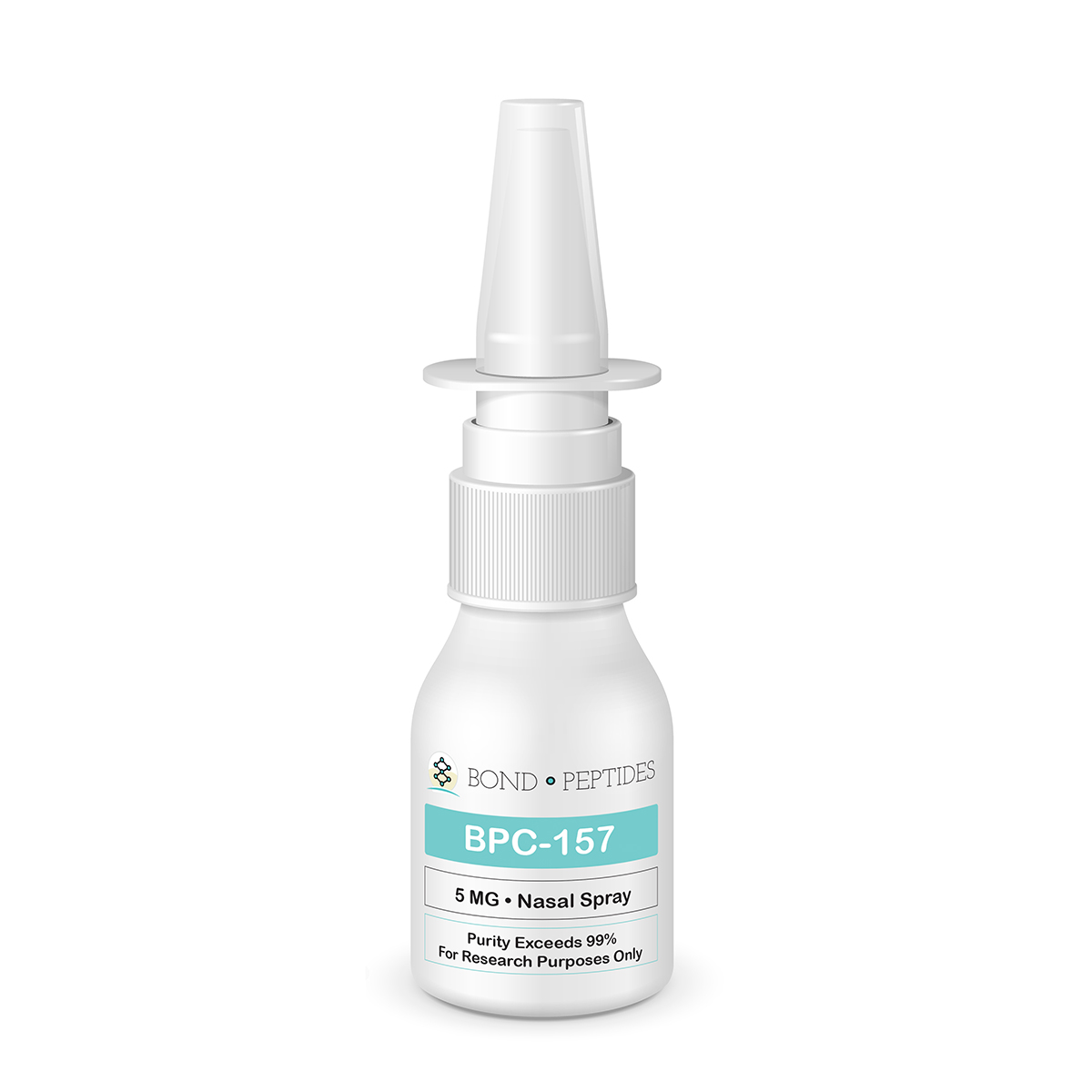
Below is the product image provided. When I review nasal peptide products, I treat the label and packaging information as part of the “trust chain”—because even a good ingredient can be undermined by storage issues, unclear dosing instructions, or incomplete sourcing details.
What you should look for on the listing (quality signals)
For a responsible bpc 157 nasal spray review, I recommend checking for these signals on the product page or documentation:
- Clear dosing instructions: how many sprays per dose, timing, and frequency.
- Net amount per unit: to understand how long one bottle lasts.
- Storage guidance: temperature and whether freezing/heat exposure is discouraged.
- Batch/lot identification: so you can track consistency.
- Third-party testing or COA availability: especially for purity and content accuracy.
- Ingredient transparency: excipients and preservative information (important for nasal comfort).
What I’d call out as potential limitations in any nasal peptide review
Even when a product is well-made, nasal delivery may not be ideal for everyone. In field experience, these are common “failure points”:
- User technique variability: small differences in administration can change perceived effect.
- Individual nasal tolerance: some formulations can feel irritating even if they’re dosed correctly.
- Expectation mismatch: some users want effects that would be more consistent with a different route (or with a different goal timeframe).
- Evidence gaps: public research often doesn’t fully answer how every formulation performs in real consumers.
How to evaluate “review value” for BPC-157 nasal sprays
A high-quality review is useful because it helps you predict whether you’ll get what you’re looking for. Here’s the framework I use when reviewing nasal spray products, including BPC-157 options.
1) Consistency of dosing instructions
If the listing doesn’t explain how to measure or administer reliably (spray count, timing, and technique), the product can’t be fairly evaluated. In real-world use, “5 mg” only matters if dosing is truly repeatable.
2) Formulation and nasal comfort
I’ve found that buyers often report “it didn’t work” when the real issue was tolerability or inconsistent spraying. For nasal delivery, you want a formulation that doesn’t cause excessive dryness, burning, or post-nasal drip that ruins follow-through.
3) Proof of content and purity (where available)
In peptide sourcing, the most practical trust signal is independent testing. When there’s a COA or third-party verification, it’s easier to separate marketing claims from measured reality. If testing information is missing or hard to locate, treat the product as higher uncertainty.
4) Storage handling and shelf stability
Even if a bottle is manufactured well, repeated temperature swings during shipping and storage can degrade sensitive components. I advise users to follow storage instructions strictly and avoid leaving products in hot cars or near heaters.
Practical administration tips for BPC-157 nasal sprays (technique matters)
This is where I often see reviews fail: they describe “what people felt” but not “how they dosed.” If you use a nasal spray inconsistently, you lose your ability to interpret outcomes.
Technique checklist (general best practices)
- Read the label first: follow the exact dosing schedule provided by the manufacturer/retailer.
- Use consistent timing: pick a routine you can repeat daily.
- Minimize contamination: don’t touch the nozzle to nasal tissue.
- Keep the head position consistent: use the recommended angle and avoid “sniffing hard” unless instructed.
- Give it time: allow the product to settle before eating/drinking if the label specifies an interval.
In my experience, the biggest improvement in outcomes from nasal products comes from improving repeatability—same environment, same time of day, and the same administration mechanics.
What results you can realistically expect (and what you shouldn’t)
A fair BPC-157 nasal spray review should set expectations in a grounded way. People may pursue BPC-157 for different goals, but nasal sprays are not magic. The more reasonable expectation is that if the product is properly dosed and tolerated, you may observe changes over time consistent with your goal’s timeframe.
What I discourage is drawing conclusions from one or two doses. Peptide routines are typically evaluated over longer periods, and even then, outcomes can be influenced by lifestyle factors (sleep, nutrition, injury load, and training/modification of activity).
Pros and cons (based on how nasal BPC-157 products typically perform)
| Category | Potential Pros | Potential Cons / Limitations |
|---|---|---|
| Convenience | No injections; easier routine | Technique variability affects dosing consistency |
| Tolerability | Often perceived as less invasive | Some users may experience nasal irritation or drip |
| Dosing clarity | May be straightforward if label is detailed | “mg” matters only if sprays/dose are clearly defined |
| Trust signals | COA/testing documentation can clarify purity | Missing third-party data raises uncertainty |
| Consistency | Repeatable routine is achievable | Storage and handling can impact product stability |
FAQ
Is this a “real” BPC-157 nasal spray review, or just marketing?
A useful review should evaluate dose clarity, administration consistency, storage guidance, and whether testing/COA information is available. If those elements are missing, you’re left with claims rather than evidence you can act on.
How do I know whether a BPC-157 nasal spray will work for my goal?
Start by ensuring dosing instructions are clear and you can administer consistently. Track your experience using objective signals relevant to your goal (not just sensation), and give enough time to judge based on your routine. If you can’t tolerate the formulation, adjust expectations or stop.
What’s the biggest mistake people make with nasal peptides?
Inconsistent technique and inconsistent timing. In my hands-on experience, small differences in how and when you administer can create confusing results that look like “product failure” when it’s actually dosing variability.
Conclusion: Make your decision based on dosing clarity and trust signals
If you’re searching for a bpc 157 nasal spray review and considering Bond Peptides BPC-157 Nasal Spray 5 mg from Direct Health Shop, focus on the review elements that actually change outcomes: clear dosing instructions, administration repeatability, storage handling, and—when available—batch testing/COA transparency.
Next step: Open the product listing and write down the exact dose (sprays per dose and frequency), storage requirements, and any available third-party testing details—then compare them against whether you can realistically follow a consistent nasal routine.
Discussion