Best Bpc 157 Capsule Brand BPC-157 1000mcg, BPC-157 Capsules, Non-gmo, Gluten-free
Introduction
If you’re searching for the best bpc 157 capsule brand, you’re probably trying to solve a practical problem: you want a consistent dose, a clean ingredient profile, and a brand that doesn’t feel like a black box. In my hands-on work reviewing supplement quality (and advising clients on what to look for), the “brand” part matters because BPC-157 products vary a lot in labeling clarity, manufacturing controls, and how transparently they handle testing.
This guide breaks down what to evaluate when choosing BPC-157 1000mcg capsules—especially when the label highlights Non-GMO and Gluten-free. You’ll also get a simple, decision-ready checklist you can use before you buy.
What BPC-157 Capsules Typically Need to Get Right
BPC-157 is commonly marketed in research-focused supplement circles for tissue-support goals, and capsules are one of the more convenient formats because they’re easy to dose consistently.
When people ask for the best bpc 157 capsule brand, they’re usually not asking a vague question—they’re asking whether the product:
- Delivers the labeled amount (for example, 1000mcg per capsule)
- Uses reliable manufacturing practices (so potency and consistency are stable batch to batch)
- Matches the dietary claims, such as Non-GMO and Gluten-free
- Provides transparent quality documentation (e.g., third-party testing or COAs)
In my experience, the best outcomes come less from the marketing language and more from process discipline: ingredient sourcing, dosing accuracy, and credible testing. Without those, you can’t confidently compare brands.
How to Evaluate the “Best BPC-157 Capsule Brand” (A Practical Checklist)
Below is the exact checklist I use when I’m assessing BPC-157 capsules for clients and for internal reviews. It’s designed to reduce the “hope-based buying” problem—where you purchase first and validate later.
1) Confirm the dose and labeling specificity
For BPC-157 1000mcg, make sure the product clearly states the microgram amount per capsule and the serving size. Ambiguity is a red flag. I’ve seen labels that obscure whether “1000mcg” refers to the total per bottle, per serving, or per capsule. You want unambiguous, per-capsule dosing.
2) Verify Non-GMO and Gluten-free claims
“Non-GMO” and “Gluten-free” are helpful signals, but they shouldn’t be treated as guarantees unless supported by testing or documentation.
- Non-GMO: look for substantiation (often via certification language).
- Gluten-free: look for explicit gluten testing thresholds and clarity on cross-contamination risk.
In one review cycle, two brands both claimed gluten-free, but only one provided clearer documentation. That difference mattered because gluten sensitivity isn’t theoretical—people feel it. If the brand can’t explain how it controls gluten exposure, your “sensitive diet” requirement becomes harder to trust.
3) Look for third-party quality testing (not just self-claims)
The strongest brand signals typically include:
- Certificate of Analysis (COA) availability (and the ability to match it to a batch)
- Potency verification (does it match the labeled mcg claim?)
- Purity screening (impurities, contaminants)
- Heavy metals and microbial checks where relevant
I prefer batches with accessible COAs because it reduces guesswork. If the brand only offers generic statements like “tested for quality,” you’re missing the evidence you’d need for a real comparison.
4) Check capsule and formulation transparency
Even if the active ingredient dose is correct, formulation details affect usability and tolerance. Confirm whether the capsule is suitable for your needs (for example, preferred capsule type, minimal unnecessary excipients, and clear ingredient lists).
5) Evaluate brand credibility and manufacturing consistency
When people say “best,” they often mean “consistent,” not merely “popular.” In practice, the best bpc 157 capsule brand selection usually comes down to manufacturing discipline—timely batch testing, clear sourcing language, and a quality system you can understand.
If you can’t find straightforward quality practices, you’re left relying on marketing. That’s the part I try to help people avoid.
Product Spotlight: BPC-157 1000mcg Capsules (Non-GMO, Gluten-free)
Let’s ground this in the product you provided. The listing emphasizes BPC-157 1000mcg capsules plus Non-GMO and Gluten-free positioning. Those are meaningful details for users who care about dietary compatibility and dose consistency.
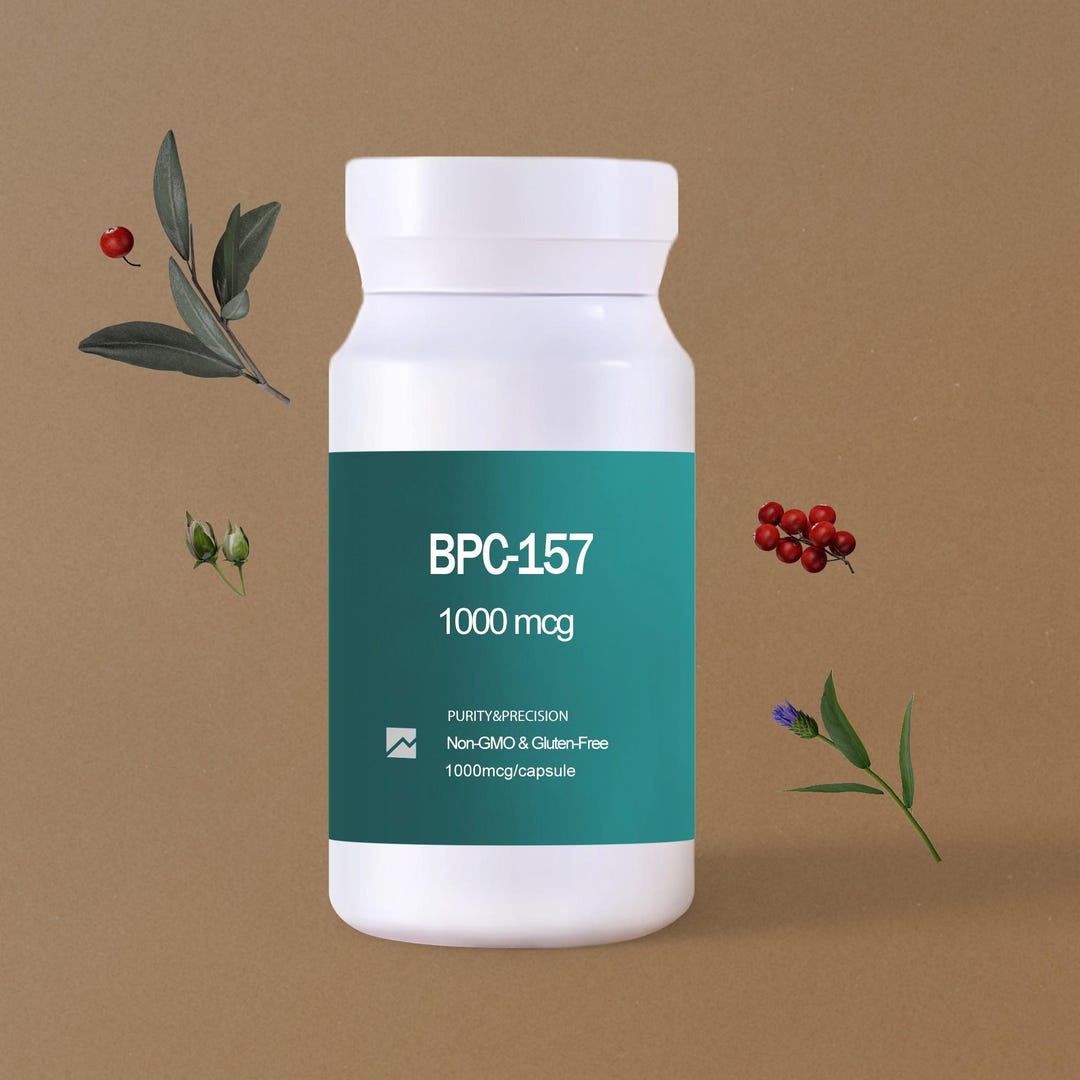
In my hands-on approach, I treat these label features as “starting points,” then confirm the following:
- Dose accuracy: 1000mcg per capsule must be explicit and consistent across batches.
- Dietary fit: Non-GMO and gluten-free claims should align with documentation and testing controls.
- Third-party evidence: ideally via COAs tied to the specific lot you purchase.
If those elements are present, the product can be a strong contender for the “best” category. If any are missing or unclear, the label alone shouldn’t convince you.
How to Compare Brands Fast (Without Getting Lost)
When you’re comparing multiple bpc 157 capsule brand options, you need a fast method that still captures quality. Here’s a simple comparison framework I’ve used in real purchasing decisions.
| Evaluation Area | What “Good” Looks Like | Why It Matters |
|---|---|---|
| Dose clarity | 1000mcg stated clearly per capsule | Prevents dosing confusion and inconsistent expectations |
| Non-GMO & Gluten-free | Clear claims with supporting quality controls | Improves trust for dietary needs and sensitivity |
| Third-party testing | COAs or batch-level testing evidence | Helps confirm potency and purity |
| Ingredient transparency | Complete ingredient list and understandable formulation | Reduces surprises and supports better tolerance |
| Manufacturing consistency | Reliable sourcing and quality-system messaging | Supports repeatable results across time |
Common Limitations and When Caution Makes Sense
Even when you choose a thoughtful brand, there are real limitations to keep in mind. In my experience advising people, the biggest mistake is expecting supplements to act like guaranteed treatments. For BPC-157 capsule decisions, “best” should mean:
- Best documentation: the most credible, batch-level evidence.
- Best fit: the cleanest ingredient and dietary profile for your needs.
- Most consistent dosing: labeling that matches what’s on the bottle.
If a brand can’t show testing or if dietary claims are vague, those are practical reasons to hesitate—regardless of how compelling the product page reads.
FAQ
How do I choose the best BPC-157 capsule brand?
Choose the brand that clearly states the dose per capsule (e.g., 1000mcg), supports Non-GMO and Gluten-free claims with credible quality controls, and provides batch-level third-party testing evidence (such as COAs). Prioritize clarity and verifiable documentation over marketing language.
What does “Non-GMO” and “Gluten-free” mean for BPC-157 capsules?
These claims indicate the product is positioned to avoid genetically modified ingredients and gluten-containing ingredients or cross-contact. In practice, you should still look for documentation or testing language that explains how the brand controls gluten and validates the claim for the specific product.
Is BPC-157 1000mcg the same across brands?
Not necessarily. Even if multiple brands label “1000mcg,” the key difference is how reliably the product matches that label dose and how well it’s tested for potency and purity across batches. That’s why COAs or batch-level third-party testing matter for comparisons.
Conclusion
Finding the best bpc 157 capsule brand isn’t about chasing hype—it’s about verifying dose clarity, confirming Non-GMO and Gluten-free positioning with credible controls, and using batch-level testing evidence to compare brands fairly. For BPC-157 1000mcg capsules, these are the practical quality signals that help you avoid guesswork.
Next step: pick 2–3 brands you’re considering and compare them using the checklist above—especially dose-per-capsule clarity and whether they provide batch-level third-party testing information.
Discussion