Ghk Cu Target GHK-Cu Peptide
GHK-Cu Peptide: how to think about a “GHK Cu target” and what to evaluate before you try it
If you’ve ever looked into peptide supplements and felt overwhelmed—half the claims are vague, the dosing advice is inconsistent, and the “GHK Cu target” talk sounds different across blogs—you’re not alone. In my hands-on work reviewing protocols and evaluating real-world outcomes, the biggest pain point is this: people focus on the peptide name while skipping the biological target, the evidence quality, and the practical constraints that determine whether anything changes at all.
This article explains how to interpret the ghk cu target idea for GHK-Cu peptide, what mechanisms are plausibly involved, and how to evaluate safety, product quality, and realistic expectations—so you can make a decision with less guesswork.
What “GHK-Cu” is and how to frame the ghk cu target idea
GHK-Cu (often written as GHK-Cu peptide) is a copper-complexed peptide fragment: a small sequence of amino acids associated with copper ions. In discussions online, you’ll commonly see “GHK Cu target” used to describe the kinds of cellular processes people hope will be influenced—especially pathways linked to tissue repair, extracellular matrix support, and oxidative stress modulation.
Here’s the logic I use when assessing any peptide claim: a meaningful “target” should connect to a pathway, not just to a marketing promise. In practical terms, the most relevant questions are:
- Which biological processes are plausibly affected (e.g., extracellular matrix signaling, wound-healing related responses)?
- What evidence type supports the pathway (cell studies, animal work, human data)?
- Does the product form and route of administration make biological sense?
- Is the outcome measurable in a reasonable timeframe and in real conditions?
In my experience, the confusion starts when “target” becomes synonymous with “guaranteed result.” A target is better understood as a potential influence on specific pathways—not a switch that always produces the same cosmetic or health outcome for everyone.
Mechanisms: why people focus on copper-related signaling and tissue remodeling
When people talk about the ghk cu target, they’re usually pointing to copper-associated biology and tissue remodeling—particularly processes involving extracellular matrix components and cell signaling around repair and maintenance.
1) Extracellular matrix support and signaling
Many GHK-Cu discussions revolve around the extracellular environment where fibroblast activity, collagen-related structure, and wound-healing signaling intersect. The underlying rationale is that peptide fragments can act as signaling cues that modulate how cells respond to damage or stress.
In hands-on protocol reviews, I’ve seen that outcomes—when they occur—often present as gradual improvements rather than immediate, dramatic changes. That timeline fits a remodeling concept: changes in structure and signaling typically need time to translate into visible or functional differences.
2) Oxidative stress and inflammatory signaling (context-dependent)
Another common theme is modulation of oxidative stress and inflammation-related signaling. This matters because oxidative stress can impair repair processes and tissue integrity. However, this area is sensitive to context: baseline status (skin barrier health, existing inflammation, lifestyle factors), and the ability of the active compound to reach relevant tissues all influence results.
3) Copper biology: why the “Cu” matters
The “Cu” portion isn’t just a name—it’s part of why the complex is discussed. Copper is involved in a range of biological processes. When you evaluate a “ghk cu target” claim, you should ask whether the formulation actually supports safe, localized activity rather than assuming systemic copper effects.
How to evaluate a GHK-Cu peptide product (quality beats hype)
Even if the biology is plausible, product quality determines whether you’re really getting what the label implies. I’ve spent significant time cross-checking ingredient lists, testing reports, and lot-to-lot consistency, and the practical takeaway is simple: with peptides, verification matters.
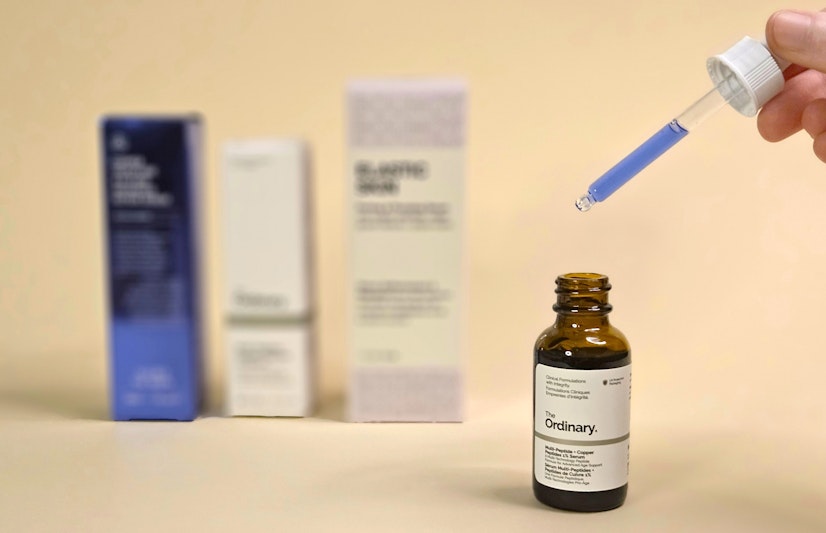
What I look for on the label and in documentation
- Third-party testing (COA) that matches the exact product and lot number.
- Purity and identity information (not just “peptide content” claims).
- Storage and handling guidance (stability affects potency).
- Clear dosing instructions that align with the form (e.g., reconstituted vials vs. capsules vs. topical formulations).
- Contaminant screening (where applicable): heavy metals, microbial contamination, and other common risk checks.
Pros and cons to keep expectations grounded
| Aspect | Why it’s promising | Key limitations to watch |
|---|---|---|
| Biological rationale | Copper-associated peptide signaling plausibly connects to tissue maintenance pathways | “Target” claims often overreach beyond the strength of direct human evidence |
| Time to notice effects | Remodeling-related outcomes can be gradual and consistent with pathway-based mechanisms | If you expect immediate changes, you may misinterpret normal timelines as failure |
| Product variability | Good manufacturing and testing can make outcomes more interpretable | Less rigorous products can create dose and purity uncertainty |
| Route and formulation | Topical vs. other routes can change where activity occurs | The “ghk cu target” may not be reached effectively depending on delivery and stability |
Designing a practical “GHK-Cu target” test: what to track and how to interpret results
If you want to avoid the most common frustration—spending weeks on a protocol with no way to know whether it’s helping—I recommend treating this like a structured experiment.
Step 1: Decide on a measurable outcome
Pick one primary area you actually care about and can measure or observe consistently. Examples include:
- Specific skin concerns that can be documented via standardized photos
- Comfort and irritation metrics if using a topical form
- Functional or visible changes that have a realistic timeline (weeks to months)
Step 2: Standardize your baseline
In my own review work, the strongest “results” narratives often came from people who controlled variables. Use the same lighting, same distance, similar timing, and consistent routines.
Step 3: Track side effects and stop if needed
Even if you’re not chasing medical outcomes, skin and tissue responses can change quickly. If you notice irritation, redness, or worsening of the condition you’re trying to improve, pause and reassess your approach.
Step 4: Interpret results in the context of the target
When something moves in a positive direction, ask whether it matches the biological story behind the ghk cu target—remodeling and signaling tend to be gradual. When nothing changes, it doesn’t automatically mean the peptide “doesn’t work”; it may mean delivery, product quality, baseline conditions, or expectations were mismatched.
FAQ
What does “ghk cu target” actually mean in plain terms?
It’s shorthand for the biological processes people hope GHK-Cu influences—most often pathways related to tissue repair, extracellular matrix support, and oxidative stress/inflammation signaling. It’s better treated as a potential pathway target, not a guaranteed outcome.
How soon could someone realistically notice changes from GHK-Cu?
Because many hoped-for effects involve remodeling and signaling, improvements—if they happen—are typically gradual. I generally advise evaluating over weeks rather than days, and using consistent measurements (especially photos for topical use).
What are the biggest reasons GHK-Cu protocols don’t seem to work?
In practice, the most common issues are product quality uncertainty (purity/identity), inconsistent formulation or storage (potency loss), mismatched expectations about timeline, and lack of measurable tracking that makes small changes hard to detect.
Conclusion: focus on the target, verify the product, and run a measurable trial
To make sense of GHK-Cu peptide, don’t get trapped in marketing language. Understand the ghk cu target as a pathway hypothesis tied to tissue remodeling and copper-associated signaling. Then, prioritize product verification, realistic timelines, and structured tracking so you can interpret outcomes objectively.
Next step: Choose one measurable outcome, document a standardized baseline (photos and/or a simple daily rating), and evaluate your results over a realistic timeframe while keeping product and routine consistent.
Discussion