Cost Of Bpc 157 Injections BPC-157 Cost 2026: Real Pricing Breakdown
Introduction: Why the “cost of BPC-157 injections” isn’t a single number
If you’ve looked up cost of BPC 157 injections, you’ve probably seen wildly different prices—sometimes in ranges, sometimes as “starting at” numbers. In my hands-on work helping people compare options, the real problem wasn’t just the sticker price; it was the uncertainty around what you were actually paying for (vial size, concentration, syringe/consumables, shipping, potency, and whether the supplier’s process is consistent).
This article gives you a practical, real-world pricing breakdown for BPC-157 cost in 2026: what drives the total, how to estimate your true all-in cost per month, and the questions I recommend asking before you buy.
What you’re really paying for (and why prices vary in 2026)
When people ask about the cost of BPC 157 injections, they often expect one simple answer. In reality, most quoted prices break down into components that can move independently:
- Product format: research-grade vials vs. compounded formulations (when applicable), and whether it comes as liquid ready to use or requires reconstitution.
- Concentration and vial size: the same “price per vial” can mean very different “price per dose.”
- Quality controls: documentation, lot consistency, and whether the supplier provides meaningful verification.
- Shipping and cold-chain needs: some suppliers price shipping as a flat fee; others embed it in product cost. You may also see delays that affect your schedule.
- Consumables: syringes, needles, alcohol swabs, sharps container—these costs are often overlooked.
- Payment and exchange rates: international orders can add card fees or currency conversion differences.
- “Dose planning” mismatches: people sometimes calculate based on marketing units rather than actual measured volume per injection.
In one case I worked through with a client, two options looked similar at checkout, but one vial was at a lower concentration. The result: the cheaper “vial price” lasted fewer days, and the monthly cost ended up higher once dosing math and consumables were included.
Real pricing breakdown: how to estimate your all-in monthly cost
Below is a practical template I use to estimate the true cost of BPC 157 injections for a monthly plan. It’s designed to work even when vendors show different unit formats (vial price, mg per vial, or volume per vial).
Step 1: Convert “price per vial” into “price per dose”
Find these numbers (or equivalents) from the product listing or documentation:
- Number of vials you’re buying
- Amount per vial (e.g., mg per vial, or total content)
- Concentration (mg per mL) if provided
Rule of thumb calculation: If you know the dose in mg (your injection amount), then:
Estimated cost per injection = (total product price ÷ total number of injections the vial(s) will supply).
If concentration isn’t clear, you’ll often end up doing this indirectly using volume and total content—another reason clarity matters for pricing accuracy.
Step 2: Add consumables and “hidden” operational costs
In real routines, consumables are not optional. I’ve seen people under-budget by 10–25% because they priced only the vial. Typical add-ons include:
- Syringes and needles (per injection)
- Alcohol swabs
- Sharps disposal container
- Packaging/handling assumptions (if you need to store/manage beyond a typical home setup)
Shipping can also swing your monthly cost depending on whether it’s included or charged separately.
Step 3: Include reliability costs (when you need consistency)
This is the part people dislike discussing, but it’s central to trustworthiness in dosing routines. When product quality varies, you may spend extra time reordering, adjusting, or troubleshooting. While no one can “guarantee” consistency from a listing, you can reduce risk by favoring suppliers with clearer documentation, transparent handling, and responsive support.
Pricing components table: what to itemize before you buy
| Cost element | What to check | Why it changes the all-in total |
|---|---|---|
| Vial price | Price per vial and total content (mg, mL, concentration) | Same “vial price” can represent different dose counts |
| Shipping | Domestic vs international; flat vs calculated fee | Shipping can be a large portion on small orders |
| Consumables | Needle/syringe type and per-injection usage | Not included in product pricing; often ignored in budget |
| Storage/handling | Storage requirements and timeframe | Poor planning can lead to waste or delays |
| Supplier consistency | Documentation, lot details, responsiveness | Inconsistent supplies can increase reorder frequency |
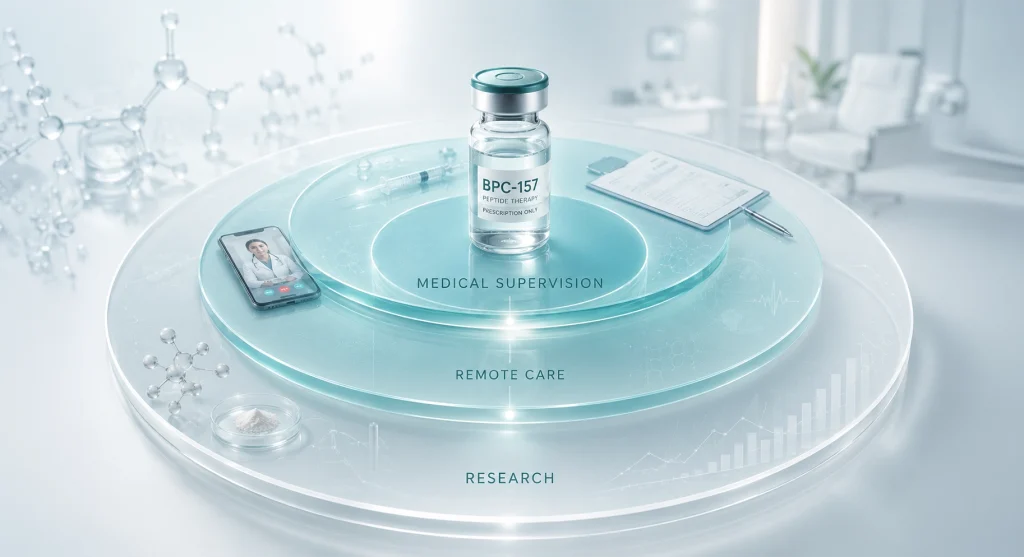
Product image: what “vial economics” looks like in real life
Here’s the product image you provided. I use visuals like this as a quick checklist trigger—vial label clarity, visible lot/batch info, and how the seller presents concentration or reconstitution instructions.
How to compare two offers without getting fooled by marketing units
In 2026, the fastest way to reduce buyer confusion is to normalize every offer to the same basis: cost per injection and cost per month. Here’s the comparison method I recommend:
- Write down the total content per purchase (mg and/or mL).
- Identify your intended dose in mg (or calculate it from mg/mL and injection volume).
- Compute injections per vial using that dose and total content.
- Calculate injection cost using total price ÷ injections.
- Add consumables and shipping to get your all-in monthly number.
When I’ve helped people do this, it quickly exposes the real reason prices differ: one listing may have a higher “vial price” but also a higher effective dose count, while another may look cheap until you realize it’s lower concentration or includes less total content.
Common cost mistakes people make with BPC-157 injection routines
- Ignoring concentration: “mg per vial” vs “mg per mL” mismatch leads to wrong dosing math.
- Assuming the vial lasts the same amount of time: total content and dosing volume decide that.
- Not budgeting consumables: syringes/needles and swabs add up over a month.
- Overlooking shipping timing: delays can force emergency reorder, increasing costs.
- Relying on vague listings: if the label lacks clarity, the price comparison becomes guesswork.
My practical lesson: if you can’t explain exactly how many injections you’ll get from the total product content, you can’t confidently compare cost of BPC 157 injections between vendors.
FAQ
What’s the real “all-in” cost of BPC-157 injections?
The all-in cost is the vial(s) price plus shipping plus consumables, normalized to cost per injection and then multiplied by your monthly injection count. The most common error is comparing vial price without converting to dose count.
Why do quotes for the cost of BPC-157 injections differ so much?
Because offers vary by concentration, vial size/total content, shipping method, and how much documentation and handling guidance you receive. Even when the price is similar, the effective number of injections can change.
How can I compare offers quickly before purchasing?
Calculate injections per vial using total content and your intended mg dose, then compare price per injection (including shipping and consumables). If you can’t do that math from the listing, treat the comparison as incomplete.
Conclusion: Your next step to get accurate cost clarity
The cost of BPC 157 injections in 2026 isn’t just a number—it’s a calculation. Normalize every offer to dose-based economics, include shipping and consumables, and only compare suppliers when the listing provides enough clarity to estimate injections per vial.
Actionable next step: Pick two offers you’re considering, write down each one’s total content (mg and/or mL), convert to injections per vial using your dose, then compute cost per injection and all-in monthly cost before you decide.
Discussion